

Kunst er en fantastisk sektor, som konstant bliver fornyet og forbedret. Sådan har det været gennem hele historien og i dag kaster vi blikket på fem kunstudstillinger, som har ændret kunsthistorien.
Treasures of Tutankhamun rejste verden rundt i halvfjerdserne
Har du set spil med inspiration fra de egyptiske grave, når du spiller med en Maria Casino promokode? Det kan du muligvis takke denne kunstudstilling for.
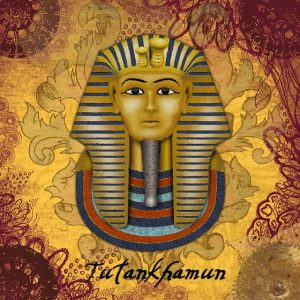 Udstillingen ”Treasures of Tutankhamun” blev organiseret på baggrund af en aftale mellem den daværende egyptiske Præsident Nassar og den britiske regering. Udstillingen markerede et halvt århundrede siden man opdagede kong Tutankhamens grav.
Udstillingen bød på halvtreds objekter fra gravens skatte inklusiv den nu kendte guldgravmaske, smykker, møbler, kister og mange andre kulturgenstande. Befolkningen var vilde med udstillingen, som hidtil er den mest besøgte kunstudstilling på det britiske museum. Senere hen rejste objekterne verden rundt til lande som fx Tyskland, USA og Canada. Det førte til at der var en dybere anerkendelse af egyptisk arv og generelt antik arv.
Primary Structures introducerede minimalismen for det amerikanske publikum
Kunstudstillingen “Primary Structures” var den kunstudstilling, som introducerede minimalismen for det amerikanske publikum, før konceptet overhovedet havde fået kaldenavnet minimalisme.
På denne kunstudstilling var der værker af amerikanske og britiske kunstnere som fx Gerald Laing, Carl Andre, Robert Morris, Sol LeWitt og Donald Judd for blot at nævne få.
Det var en skelsættende udstilling, som gjorde kunstnerne til designere frem for håndværkere.
Alexander McQueen gjorde mode til kunst
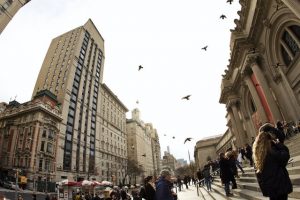 ”Primary Structures” gjorde kunstnere til designere, og Alexander McQueen gjorde mode til kunst.
I 2011 havde Alexander McQueen kunstudstillingen ”Savage Beauty” på Metropolitan Museum of Art i New York. Her viste McQueen hvordan en modedesigner skaber kunst, og det førte til at mode i bredere omfang blev set som kunst. Dette gælder både i USA, men også over hele verden.
Alexander McQueen var en engelsk modedesigner, som levede mellem 1969 og 2010. Han fik sit store gennembrud som chefdesigner for Givenchy, før han grundlagde sine egne brands McQ og Alexander McQueen. McQueen var kendt for sine dramatiske skabelser, som blandt andet blev brugt af popstjernerne Rihanna, Lady GaGa og Björk.
Da ”Cities on the Move” kom til Danmark
”Cities on the Move” var en nytænkende mobil kunstudstilling, som fokuserede på asiatisk moderne kunst fra det østlige og sydlige Asien. Her var der især fokus på konfliktfulde historie bag moderniseringen af byer som fx Hong Kong, Tokyo og Bangkok.
Denne kunstudstilling var gennembrydende, da Vesten for første gang slog øjnene op for 70 kunstnere, som allerede var kendte i Asien, men som aldrig havde haft kunstudstillinger i Europa.
”Cities on the Move” startede I Wien I Østrig i november i 1997 og den rejste til New York, London, Humlebæk og Helsinki i løbet af de tre efterfølgende måneder.

Information introducerede konceptkunst til USA
”Information” var en kunstudstilling på Museum of Modern Art i New York i 1970, og det var muligvis den første udgave af konceptkunst i USA. Det var et pionerprojekt, som fokuserede på den globaliserede og demokratiserende magt ved nye teknologier. Her mener vi fotografi, fjernsyn, film og satellitter.
Den franske museumsinspektør Jean-Hubert Martin skabte i 1989 et show med ”Magiciens de la Terre”, som blev vist på Centre Georges Pompidou og Grande Halle de la Villette i Paris.
Martin ønskede at kritisere at størstedelen af kunstudstillinger ”ignorerede 80 procent af kloden” ved kun at udstille vestlige kunstnere. Derfor organiserede Martin en udstilling som bestod af 50/50 af vestlige artister og ikke-vestlige artister.
Udstillingen blev kritiseret for sin 50/50 tilgang, som ikke var et sandt billede af verdens befolkning. Alligevel var ”Magiciens De La Terre” ansvarlig for at diversificere kunstverdenen.

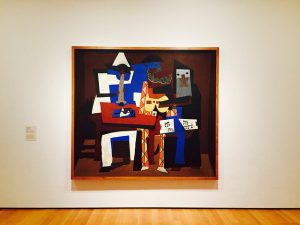 Appropriationskunst kan spores helt tilbage til kubistiske collager og værker af kunstnere som fx Picasso og Georges Braque fra år 1912 og fremad. Her benyttede kunstnerne ægte objekter som fx nyhedsaviser til at repræsentere dem selv.
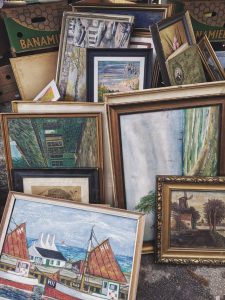 Men som vi skrev i begyndelsen af artiklen, blev appropriationskunst for alvor populær i firserne. Dette skyldes især amerikanske kunstnere som fx Jeff Koons og Sherrie Levine. Levine skabte sine egne kunstværker, hvor hun også inkluderede allerede kendte kunstværker.
 Brug din logiske sans, når det kommer til at analysere e-mail. Hvis det virker for godt til at være sandt, så er det nok sådan at landet ligger.
 Du kan teste din viden om kunst i kunst udgaven af
 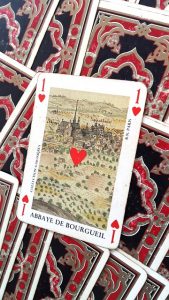 Du kan også spille kortspillet
  Her ejer i hver især nogle af de mest berømte nordiske kunstværker, og nu er det blevet tid til at bryde igennem på den internationale kunstscene, men spørgsmålet er, hvilken deltager vil klare sig bedst?
 En canadisk undersøgelse har vist hvordan visse omstændigheder kan påvirke folks beslutningen, selvom at de føler at de har frit valg på alle hylder. Studier viser at folk har mest tendens til at vælge valgmuligheder, som fanger mest opmærksomhed, men uden at de ved hvorfor de gør det.
  Når du starter med dette trick, skal du først lægge de fire esser øverst i kortspillet og vende dem med billedsiden nedad. Herefter skal give fem spillere fem kort hver, samt give kort til dig selv. Du skal snakke om spillekortene, mens du deler dem ud, så du distraherer publikummet. Herefter skal du vise kortene. Nu sidder fire spillere med et es hver.